
Beekman Dental Care in Sleepy Hollow, NY Logo

A Master Library of Dental Health
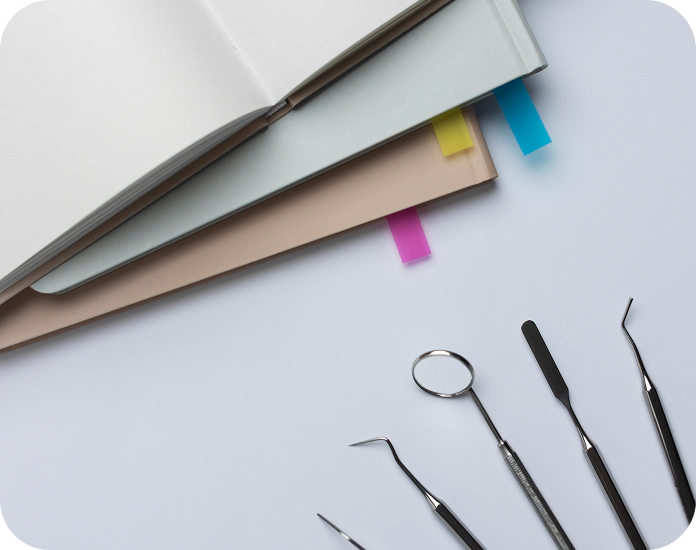
A Master Library of Dental Health

Maintaining a healthy smile is a lifelong journey that extends far beyond the appearance of a bright set of teeth. Your oral health is a vital window into your overall systemic well-being, influencing everything from your self-confidence to your cardiovascular health. At Beekman Dental Care in Sleepy Hollow, NY, we believe that an informed patient is a confident patient.


This comprehensive dental library is designed to serve as your go-to resource for understanding preventive care, restorative solutions, cosmetic enhancements, and the complex biological processes that keep your mouth functioning at its best.

background

Your Guide to Better Oral Health

Discover educational resources designed to help you understand, protect, and improve your smile at every stage of life.

The Pillars of Preventive Care

group.image

The old adage "an ounce of prevention is worth a pound of cure" is nowhere more true than in dentistry. Preventive care is the foundation of a lifetime of health, designed to stop problems before they require invasive intervention.


1. The Art and Science of Brushing


Brushing is the most fundamental tool in your hygiene arsenal, yet many people utilize techniques that are either ineffective or abrasive. To protect your enamel and gums, dentists recommend a soft-bristled brush. Hard bristles can actually cause gum recession and wear away the protective enamel layer.


  • The Technique: Hold your brush at a 45-degree angle toward the gumline. Use short, circular strokes rather than a back-and-forth sawing motion. Ensure you cover all three surfaces: the outer, the inner, and the chewing surfaces.
  • Frequency: At least twice daily for two minutes. A common mistake is rushing; set a timer to ensure you are giving every quadrant of your mouth the attention it deserves.
  • Replacement: Swap your toothbrush every three months, or sooner if the bristles appear frayed. A worn-out brush is significantly less effective at disrupting biofilm (plaque).


2. The Vital Role of Routine Checkups


Many patients only visit the dentist when they feel pain. However, dental issues like decay and gum disease are often "silent" in their early stages. By the time a tooth aches, the damage is often extensive.


During a routine exam at Beekman Dental Care, we monitor:

  • Early-stage decay: Identifying "micro-cavities" that can sometimes be reversed with fluoride.
  • Periodontal health: Measuring the pockets between your teeth and gums to catch gingivitis.
  • Oral Cancer Screenings: A painless but life-saving check of the soft tissues, tongue, and throat.
  • Structural Integrity: Checking existing fillings, crowns, or bridges for signs of wear or leakage.


3. Professional Cleanings and Dental Hygiene


Even the most diligent brushers cannot reach every nook and cranny. Saliva contains minerals that eventually harden plaque into calculus (tartar). Once tartar forms, it cannot be brushed away; it must be professionally removed by a hygienist using specialized scaling tools. These cleanings prevent the chronic inflammation that leads to bone loss.


4. The "Missing Link": Flossing


If you don't floss, you are leaving 35% of your tooth surfaces uncleaned. Plaque thrives in the tight spaces between teeth (interproximal zones). Daily flossing disrupts these bacterial colonies, preventing "hidden" cavities and keeping the papilla (the pink triangle of gum between teeth) healthy and firm.


5. Supplemental Protections: Fluoride and Sealants


  • Fluoride Treatments: This naturally occurring mineral remineralizes weakened enamel, making it more resistant to acid attacks from sugar and bacteria. It is a vital defense for both children with developing teeth and adults with receding gums or dry mouth.
  • Dental Sealants: These are thin, plastic coatings "painted" onto the deep grooves of the molars. They act as a physical barrier, preventing food particles and bacteria from settling into the pits where cavities most frequently start.

Understanding Oral Diseases and Conditions

group.image

Knowledge is the first step in recognizing when something is wrong. From minor irritations to chronic conditions, understanding the "why" behind oral issues helps in seeking timely treatment.


1. Halitosis (Bad Breath)


While often blamed on a garlicky lunch, chronic bad breath is usually caused by volatile sulfur compounds produced by bacteria. Common culprits include:

  • Tongue bacteria: The back of the tongue is a breeding ground for microbes.
  • Periodontal disease: Bacteria trapped in deep gum pockets.
  • Dry Mouth: A lack of saliva means bacteria aren't being washed away.


2. Xerostomia (Dry Mouth)


Saliva is your mouth’s natural defense mechanism; it neutralizes acids and washes away debris. Dry mouth is a common side effect of hundreds of medications (including those for blood pressure and anxiety). Without adequate saliva, the risk of rampant tooth decay skyrockets.


3. Malocclusion and Bite Alignment


Malocclusion refers to teeth that are crowded, crooked, or a "bite" that doesn't close properly (overbites, underbites). Beyond aesthetics, misaligned teeth are harder to clean and can cause uneven wear, making teeth prone to fracturing.


4. Periodontal (Gum) Disease: The Silent Threat


Gum disease is a progressive infection. It starts as Gingivitis (red, bleeding gums) and, if left untreated, advances to Periodontitis. In this advanced stage, the body’s immune system begins to break down the bone and connective tissue that hold teeth in place. It is the leading cause of tooth loss in adults.


5. TMJ Disorders


The Temporomandibular Joint (TMJ) connects your jaw to your skull. Disorders in this joint can cause chronic headaches, earaches, clicking or popping sounds, and "lockjaw." This is often exacerbated by Bruxism (teeth grinding), especially during sleep.

Restorative Dentistry: Repairing the Damage

group.image

When prevention isn't enough, restorative dentistry steps in to return your mouth to full function and health.


1. Fillings: Amalgam vs. Composite


  • Amalgam: These "silver" fillings are made of a stable alloy of metals. They are incredibly durable and have been the standard for over 150 years, particularly for large cavities in the back of the mouth.
  • Composite: Made of a tooth-colored resin, these fillings bond directly to the tooth. They require less removal of healthy tooth structure and are virtually invisible, making them ideal for the "smile zone."


2. Dental Crowns (Caps)


When a tooth is too damaged for a filling, perhaps due to a large fracture or following a root canal, a crown is used. It acts as a "helmet," encasing the entire visible portion of the tooth to provide structural strength and prevent further breakage.


3. Inlays and Onlays


Often called "partial crowns," these are custom-made in a laboratory to fit into the grooves of a tooth. They are a conservative middle ground between a filling and a full crown, preserving as much natural tooth as possible.


4. Root Canal Therapy: Saving the Tooth


There is a common myth that root canals are painful. In reality, the infection is painful; the root canal is the solution. When the pulp (the inner nerve and blood supply) of a tooth becomes infected, it must be removed to save the tooth from extraction. Modern anesthetics ensure the procedure is no more uncomfortable than getting a standard filling.

Advanced Periodontics

group.image

For patients with advanced gum disease, standard cleanings are not enough. Specialized procedures are required to manage the health of the supporting structures.


  • Scaling and Root Planing: A "deep cleaning" that goes beneath the gumline to smooth the roots of the teeth, making it more difficult for bacteria to adhere.
  • Gum Grafts: If gums have receded, exposing the sensitive roots, tissue can be moved from the roof of the mouth to the affected area to restore the gumline.
  • Bone Grafting: If periodontal disease has "eaten away" the jawbone, donor bone material can be placed to stimulate the body to rebuild its own bone, often in preparation for implants.

Options for Replacing Missing Teeth

group.image

A missing tooth is more than a gap in your smile; it allows surrounding teeth to shift, affects your ability to eat, and leads to bone loss in the jaw.


1. Dental Implants


The gold standard for tooth replacement. A titanium post is surgically placed in the jaw, acting as a prosthetic root. It fuses with the bone (osseointegration), providing a permanent, rock-solid foundation for a crown.


2. Fixed Bridges


A bridge "bridges" the gap left by a missing tooth by using the two healthy teeth on either side as anchors. It is a non-removable solution that looks and feels like natural teeth.


3. Dentures and Partials


For those missing many or all of their teeth, modern dentures offer a natural-looking solution. They help maintain the facial structure (preventing the "sunken" look) and restore the ability to speak and eat clearly.

Cosmetic Dentistry: The Art of the Smile

group.image

While health is our priority, we understand the power of a beautiful smile. Cosmetic dentistry combines clinical skill with an artistic eye.


  • Veneers: Ultra-thin porcelain shells that are custom-crafted to fit over the front of your teeth. They can fix chips, permanent stains, or gaps in just two appointments.
  • Professional Whitening: Far more effective than over-the-counter strips, professional whitening uses high-concentration gels to lift deep stains without damaging the enamel.
  • Dental Bonding: A quick, affordable way to fix minor imperfections using a tooth-colored resin that is shaped and hardened with a special light.

Orthodontics and Alignment

group.image

Straightening your teeth is about more than just a "straight line." Proper alignment ensures that your bite forces are distributed evenly, protecting your teeth from premature wear.


  • Traditional Braces: Utilizing brackets and wires, these remain the most powerful tool for correcting complex bite issues and severe crowding.
  • Invisalign: Clear, plastic aligners that are virtually invisible. They are removable, allowing you to eat whatever you like and brush your teeth easily during treatment.

Handling Dental Emergencies

group.image

Accidents happen. Knowing what to do in the first hour of a dental emergency can mean the difference between saving and losing a tooth.


  • Knocked-out Tooth: Keep the tooth moist! If possible, gently place it back in the socket. If not, keep it in a container of milk and get to Beekman Dental Care immediately.
  • Severe Toothache: Rinse with warm water and use floss to ensure no debris is trapped. Do not place aspirin directly on the gums, as this can cause a chemical burn.
  • Fractured Tooth: Rinse with warm water and save any pieces of the tooth that you can find.
background

Your Smile Is Our Passion. Let’s Keep It Healthy Together.


Visit Us with Ease via Public Transportation

Get Directions

Connect with Us

We make your dental care experience smooth and accessible.

Hours Icon

Monday: 10:00 AM - 6:00 PM

Tuesday: 10:00 AM - 6:00 PM

Wednesday: Closed

Thursday: 10:00 AM - 6:00 PM

Friday: 10:00 AM - 6:00 PM

Saturday: 10:00 AM - 3:00 PM (Alternating)

Sunday: Closed

Request an Appointment

Send us a quick message.

Name*
Phone Number*
Email*
Message*
I consent to this website storing my submission in order for the staff to respond to my inquiry.