When Do You Need a Dental Crown? Signs You Shouldn't Ignore
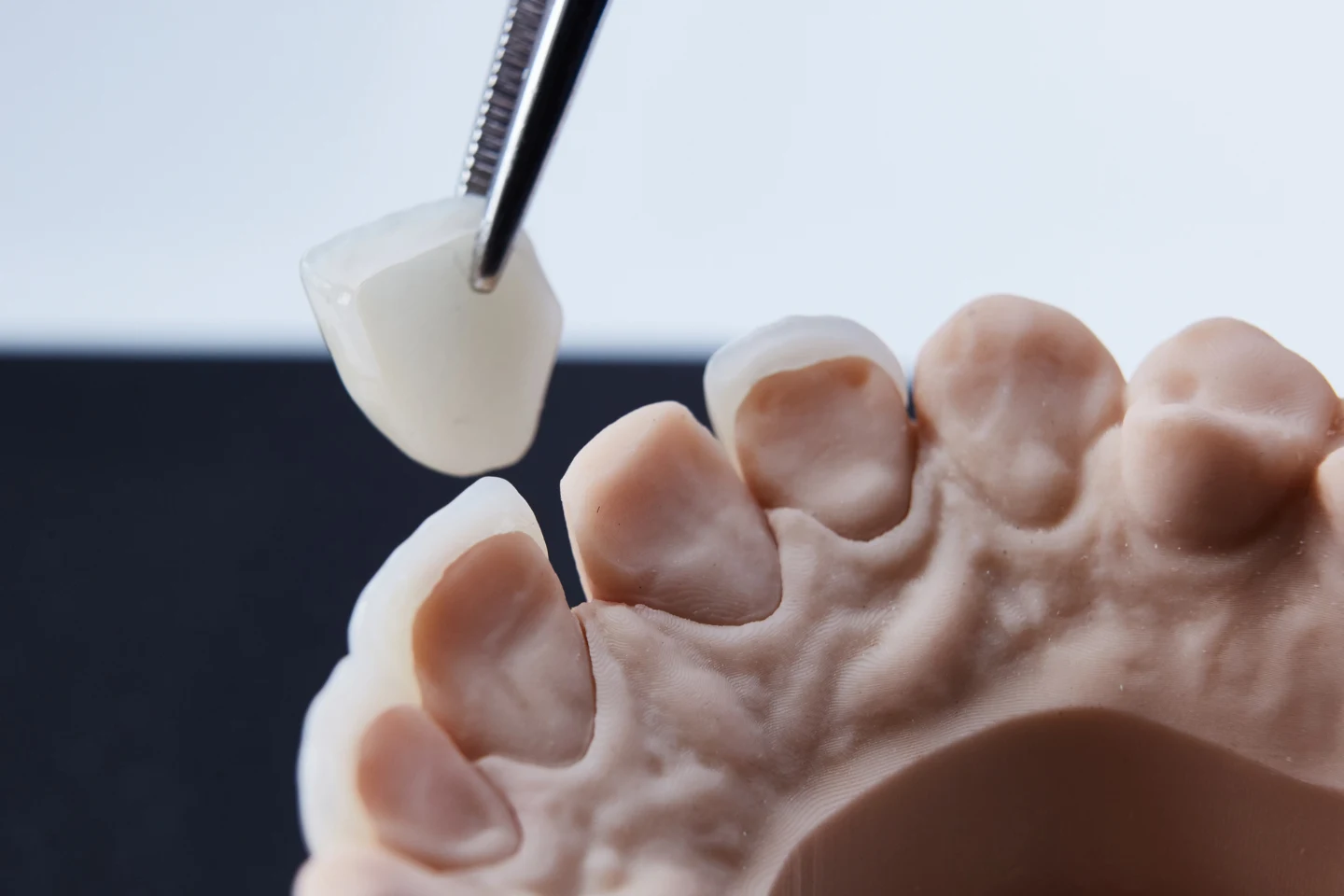
A dental crown is one of those common restorative treatments used to protect and strengthen a tooth that has been weakened or heavily repaired. Often, patients don't really realize they might need one until things start to feel a bit off, like sudden sensitivity or a change in how they chew. Knowing the signs you need a dental crown can really help you get ahead of the problem before it turns into something more complicated.
At Beekman Dental Care, we help you figure out when a tooth could use that extra layer of support. Think of a crown as a custom cover that fits over the visible part of your tooth, essentially restoring its shape, strength, and overall function so you can get back to your normal routine without worry.
What Exactly Is a Dental Crown and Why Is It Used?
Essentially, a dental crown is a custom restoration that fits snugly over a tooth to rebuild its structure. It is usually the go-to recommendation when a tooth is simply too damaged or worn out to be fixed with a standard filling.
Depending on where the tooth is and how much heavy lifting it does when you eat, crowns can be made from porcelain, ceramic, or metal alloys. We typically suggest them for a few main reasons:
- Fixing a broken or weakened tooth
- Protecting a tooth after it has had a root canal
- Replacing a very large, old filling
- Supporting a tooth that is cracked or worn down
- Improving the look of a tooth that is misshapen or discolored
Common Signs You Need a Dental Crown
There are a few warning signs that your tooth might be calling for help. Sometimes we see patients who delay treatment because the symptoms come and go, but it is usually better to check things out early.
You might notice signs you need a dental crown like:
- Sensitivity to hot or cold drinks that won't go away
- A sharp pain when you bite down or chew
- Cracks or fractures you can actually see in the mirror
- An old, large filling that feels like it is moving or wearing out
- Teeth that look flattened or much shorter than they used to be
- A tooth that has turned dark or discolored
- Lingering discomfort in the same spot over and over
If any of these sound familiar, a quick evaluation can help us see if a crown is the right move to get you comfortable again.
Dealing with Cracked or Broken Teeth
A cracked or broken tooth is one of the most obvious signs you need a dental crown. These things happen for all sorts of reasons, such as an injury, grinding your teeth at night, or even just biting into something a little too hard.
The problem is that even a tiny crack can get deeper as you keep using the tooth. A crown helps by essentially holding the tooth together, which stops the crack from spreading and causing a much bigger structural failure. You might feel a sharp sting when you chew or a weird sensation when you let go of a bite; those are definitely signals to get it looked at.
Why Large Fillings Sometimes Need an Upgrade
Teeth with massive fillings can actually become quite fragile over the years. When there is more filling than natural tooth left, the remaining enamel isn't always strong enough to handle the pressure of daily eating.
By covering the entire tooth, a crown helps spread out that biting force so the tooth doesn't suddenly split or break. It is basically a way of reinforcing what is already there.
The Role of Crowns after a Root Canal
Once a tooth has had a root canal, it can become a bit more brittle because the living tissue inside has been removed. This makes it a little more likely to fracture under pressure.
In many cases, we recommend a crown right after root canal therapy to keep the tooth protected.
What to Expect during the Procedure
If we decide a crown is the best path forward, the process is pretty straightforward. We'll prepare the tooth, take a digital scan or impression, and set you up with a temporary crown while your permanent one is being crafted.
Once the final version is ready, we’ll fit and adjust it carefully. The goal is to make sure your bite feels natural and that the crown blends in perfectly with your other teeth. At Beekman Dental Care, we make sure you know exactly what’s happening at every step so there are no surprises.
Don't Ignore the Signs
It is really important not to ignore a tooth that is bugging you, even if the pain is mild. Small issues have a way of turning into bigger projects if they are left alone.
It might be time for a visit if you have:
- Pain that keeps coming back
- A tooth that looks damaged
- A habit of only chewing on one side to avoid discomfort
- A history of trauma to a specific tooth
FAQs about Dental Crowns
Q: What are the biggest signs you need a dental crown?
A: Usually, it is a mix of sensitivity, pain when you eat, visible cracks, or if you have a tooth that is heavily filled or has had a root canal.
Q: Can a tiny crack really be that bad?
A: Yes, because every time you eat, you're putting pressure on that crack. A crown stabilizes the tooth, so the crack doesn't get a chance to reach the root.
Q: Do I always need a crown after a root canal?
A: Most of the time, yes. Dental crowns help keep the tooth from becoming too brittle and breaking.
Q: What if I just wait a while?
A: Early care is always the safer, easier route. A weakened tooth might break in a way that we can't fix with a crown later, which could lead to needing an extraction.
Concerned about a Damaged Tooth? Schedule Your Visit Today
Ignoring tooth sensitivity, recurring discomfort, or visible damage can sometimes lead to more complex dental problems over time. Whether you are dealing with a cracked tooth, an aging filling, or symptoms that suggest you may need a dental crown, early evaluation can help protect your smile and prevent further damage.
At Beekman Dental Care, we take the time to understand your concerns, examine your tooth carefully, and recommend solutions tailored to your oral health needs. Our goal is to restore comfort, function, and confidence while helping you preserve your natural teeth whenever possible.
Contact Beekman Dental Care today to schedule an appointment and learn whether a dental crown may be the right solution for protecting and strengthening your smile.
Connect with Us
We make your dental care experience smooth and accessible.


Monday: 10:00 AM - 6:00 PM
Tuesday: 10:00 AM - 6:00 PM
Wednesday: Closed
Thursday: 10:00 AM - 6:00 PM
Friday: 10:00 AM - 6:00 PM
Saturday: 10:00 AM - 3:00 PM (Alternating)
Sunday: Closed




© 2026 Beekman Dental Care | All Rights Reserved | Privacy Policy | Digital Marketing by Remedo