
Dental Sealants for Adults: Who Can Benefit and Why
Most people think of dental sealants as something reserved for kids, usually applied not long after their permanent molars come in. That association is common, but it is not the whole picture. A growing number of adults are learning that dental sealants in Sleepy Hollow, NY, are not off limits just because childhood has come and gone. If you have deep grooves in your molars, a history of frequent cavities, or areas of your mouth that are genuinely hard to clean well no matter how carefully you brush, sealants might be worth a conversation at your next checkup.
This article walks through what sealants actually do, who tends to benefit most as an adult, and what the process looks like from start to finish. If you have been searching for dental sealants in Sleepy Hollow, NY, because you keep getting cavities in the same spots or your dentist has mentioned sealants as an option, this should help you understand what you are actually considering.
What Dental Sealants Actually Do for Your Teeth
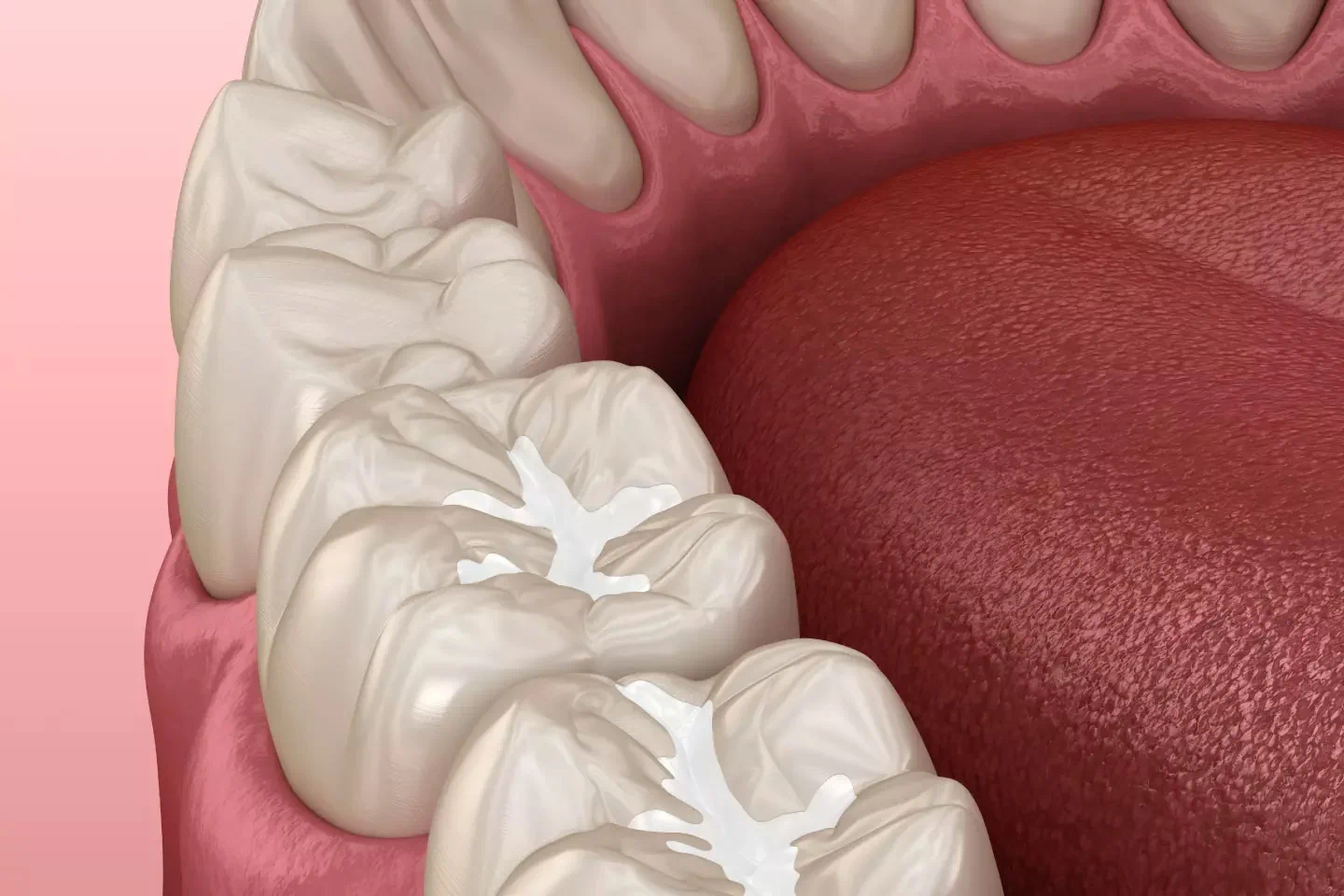
Dental sealants are a thin protective coating applied to the chewing surfaces of teeth, most often the molars and premolars, where deep pits and grooves tend to trap food particles and bacteria. Even with consistent brushing, toothbrush bristles often cannot reach all the way into those narrow grooves, which is exactly the kind of spot where decay likes to start.
By filling in those grooves with a smooth, durable material, sealants make it noticeably harder for plaque and food debris to settle in and cause problems. Many dentists describe sealants as an added layer of defense rather than a replacement for brushing, flossing, and regular cleanings. They work alongside good oral hygiene habits, not instead of them.
Why Adults Are Increasingly Considering Sealants Too
For a long time, sealants were mostly discussed in the context of pediatric dentistry, applied soon after a child's first and second permanent molars erupt. But cavity risk does not disappear once someone turns eighteen, and plenty of adults deal with the same deep grooves and hard-to-reach areas that made them cavity-prone as kids.
Adults who never had sealants placed earlier in life, or whose original sealants have worn down over the years, are increasingly asking their dentists about dental sealants in Sleepy Hollow, NY as a way to add extra protection to vulnerable teeth. This is particularly common among adults with a history of recurring cavities in the same molars, people whose tooth anatomy includes unusually deep grooves, and those who have noticed early signs of decay starting to form despite a solid oral hygiene routine.
There is also a practical side to this. Treating a small area with a sealant is generally a much simpler and more comfortable process than treating an actual cavity later on, which is part of why some dentists bring up sealants proactively when they spot a tooth that looks at risk.
Who Tends to Benefit Most From Adult Dental Sealants
Not every adult necessarily needs sealants, but certain situations tend to make someone a stronger candidate. People with a track record of getting cavities in their molars, especially in the same general area more than once, often see real value in sealants as an extra layer of protection.
Deep grooves and pits in the chewing surfaces of the teeth are another common factor, since these are the exact areas sealants are designed to smooth over and protect. Some adults also have limited manual dexterity or find thorough brushing more difficult due to arthritis or other physical factors, which can make it harder to consistently clean every crevice of a back tooth.
Dry mouth, whether from medication side effects or another underlying cause, can also increase cavity risk since saliva plays a natural role in rinsing away food particles and neutralizing acid. In situations like these, a dentist may suggest sealants as one part of a broader plan to reduce decay risk, alongside other recommendations tailored to the individual.
Ultimately, whether sealants make sense for your particular teeth is something your dentist can only determine after an exam, since tooth anatomy and cavity history vary quite a bit from person to person.
What the Sealant Application Process Involves
One of the more appealing aspects of dental sealants is how straightforward the process tends to be. There is generally no drilling or anesthesia required, which makes it a fairly comfortable appointment compared to many other dental procedures.
The tooth is typically cleaned and dried first, then a slightly acidic solution is applied briefly to help the sealant material bond properly to the tooth surface. After rinsing and drying the tooth again, the sealant material is painted directly onto the grooves of the chewing surface. Many sealants are then hardened using a special curing light, which takes only a matter of seconds per tooth.
The entire process for a single tooth often takes just a few minutes, and multiple teeth can typically be treated in one visit. Most patients report little to no discomfort during the appointment, and there is usually no real recovery time needed afterward.
How Long Do Adult Dental Sealants Typically Last
Sealants are not necessarily a one-time, permanent solution, though many are designed to hold up for a good number of years with regular wear and tear factored in. How long a sealant lasts can depend on things like diet, chewing habits, and how the sealant is cared for over time.
Because sealants can wear down gradually or occasionally chip without you noticing right away, dentists typically check on them during routine cleanings and exams. If a sealant has worn away in a spot, it can usually be reapplied, which is part of why staying consistent with regular dental visits matters even after sealants are placed.
Caring for Your Teeth After Getting Sealants
Sealants are meant to work alongside your existing oral hygiene routine, not replace it. Continuing to brush twice a day, floss daily, and keep up with regular dental visits remains just as important after sealants are placed as it was before.
It also helps to be mindful of very hard or sticky foods, since biting into something like ice or hard candy can potentially damage a sealant over time. If you grind or clench your teeth, mentioning that to your dentist is worthwhile, since it can affect how long a sealant holds up in that particular spot.
Schedule a Sealant Consultation With Beekman Dental Care
If you are curious whether dental sealants could help protect your teeth, the team at Beekman Dental Care can take a look during your next visit and walk you through whether it makes sense for your specific situation. Whether you are dealing with a history of cavities in the same molars or just want to understand your options for dental sealants in Sleepy Hollow, NY, a quick conversation with your dentist is the best place to start. Reach out to Beekman Dental Care today to schedule an exam and find out if sealants are a good fit for your smile.
Frequently Asked Questions
Q: Can adults get dental sealants even if they never had them as kids?
A: Yes, sealants can generally be applied to adult teeth as long as the tooth surface and overall oral health make it a reasonable option. A dental exam is the best way to find out if your teeth are good candidates.
Q: Do dental sealants hurt to apply?
A: Most patients describe the process as comfortable, since it typically does not involve drilling or anesthesia. Some may notice a mild taste from the bonding solution, but discomfort is generally minimal.
Q: How long do dental sealants last on adult teeth?
A: Many sealants hold up well for several years, though this can vary based on diet, grinding habits, and how the sealant is cared for. Your dentist can check the condition of your sealants during routine visits.
Q: Are dental sealants only for molars?
A: Sealants are most commonly applied to molars and premolars because these teeth have deeper grooves that are harder to clean, though your dentist can advise if another tooth might benefit as well.
Q: Does insurance typically cover dental sealants for adults?
A: Coverage varies by plan and provider, since some insurance policies focus sealant coverage on children and teens. Beekman Dental Care can help you check your specific coverage during your visit.
Q: Can a sealant fall off or wear away over time?
A: Yes, sealants can gradually wear down or occasionally chip, which is why dentists typically check them during regular cleanings and can reapply one if needed.
Q: Will getting a sealant affect how my tooth feels or looks?
A: Sealants are applied to the chewing surface and are generally not noticeable in daily life. Most patients do not report any change in how the tooth feels once the sealant has set.
Connect with Us
We make your dental care experience smooth and accessible.


Monday: 10:00 AM - 6:00 PM
Tuesday: 10:00 AM - 6:00 PM
Wednesday: Closed
Thursday: 10:00 AM - 6:00 PM
Friday: 10:00 AM - 6:00 PM
Saturday: 10:00 AM - 3:00 PM (Alternating)
Sunday: Closed




© 2026 Beekman Dental Care | All Rights Reserved | Privacy Policy | Digital Marketing by Remedo