
Ceramic Crowns vs Veneers: Which Is Right for Your Smile?
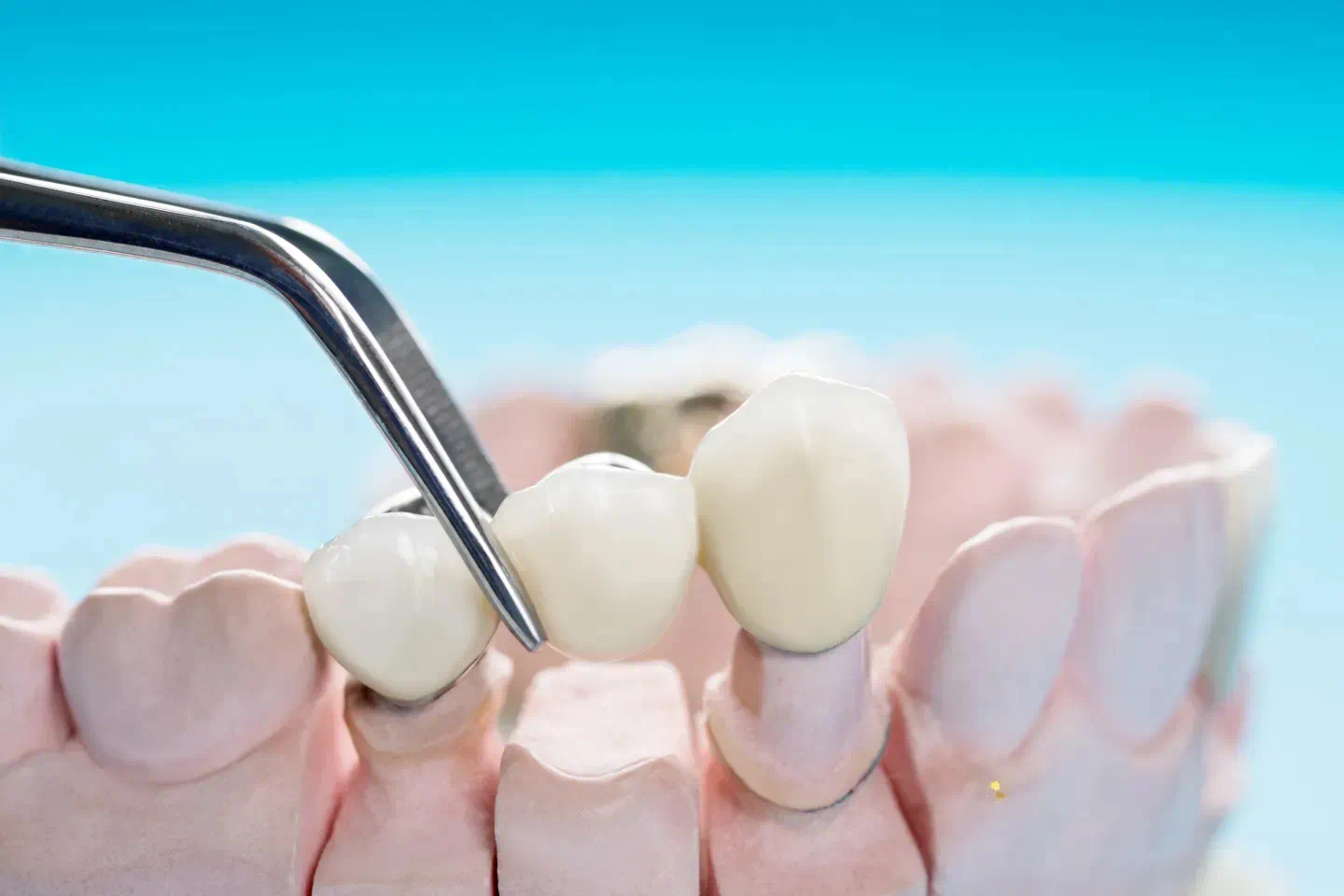
Deciding to invest in your smile is an exciting milestone, but navigating the options in modern cosmetic and restorative dentistry can occasionally feel overwhelming. When you look in the mirror, you might notice small flaws like stubborn discoloration, chipped edges, or a slightly misshapen tooth. In other cases, you might be dealing with a tooth that has experienced structural compromise from past decay or a deep fracture. Two of the most reliable and aesthetic dental restorations available today are full ceramic crowns and porcelain veneers.
While both options utilize high-grade dental porcelain or ceramic materials to create natural-looking results, they serve distinctly different structural and clinical purposes. Understanding the debate surrounding ceramic crowns vs. veneers allows you to weigh the benefits of each treatment, evaluate how much natural tooth structure is preserved, and choose the ideal approach for your personal goals.
Ceramic Crowns vs. Veneers: What Is the Core Clinical Difference?
To understand whether ceramic crowns vs. veneers suit your needs, it helps to examine how each restoration interacts with your natural tooth structure.
A porcelain veneer is an ultra-thin, custom-crafted shell of ceramic material designed to cover only the front and side surfaces of a tooth. Veneers focus primarily on visual enhancement. Because they bond directly to outer enamel, they require very little surface reduction, making them an ideal conservative choice for cosmetically improving healthy front teeth.
In contrast, a ceramic crown is a full-coverage restoration that encapsulates the entire visible portion of the tooth down to the gumline. Often referred to as a tooth cap, a ceramic crown provides structural support, protection, and strength to a tooth that has lost significant natural enamel due to large fillings, root canal therapy, or severe fractures. When considering ceramic crowns vs. veneers, the primary distinction comes down to cosmetic refinement versus structural reinforcement.
When Are Porcelain Veneers the Best Choice for Smile Enhancement?
Porcelain veneers are widely considered the gold standard for dramatic, minimally invasive cosmetic transformations. Because the underlying tooth structure remains strong and intact, veneers offer a gentle way to address surface-level aesthetic concerns across your smile line.
Patients often choose porcelain veneers to address:
- Persistent Tooth Discoloration: Masking deep surface stains caused by trauma or medications that do not respond well to professional teeth bleaching gels.
- Minor Chipped or Worn Edges: Smoothing out jagged borders or minor chips on front teeth caused by daily wear.
- Gaps and Spatial Unevenness: Closing slight gaps between front teeth without the need for comprehensive orthodontic braces.
- Slight Alignment Adjustments: Creating a uniform, straight appearance for mildly rotated or unevenly sized teeth.
Because porcelain mirrors the light-reflecting qualities and subtle translucency of natural tooth enamel, veneers deliver a vibrant, natural appearance while leaving your original tooth structure largely untouched.
When Do Ceramic Crowns Offer the Superior Restoration Option?
While veneers excel at surface cosmetics, ceramic crowns vs. veneers become a necessary choice when a tooth requires serious structural support alongside aesthetic improvement. If a tooth is weakened or fractured, a thin veneer shell cannot withstand heavy biting forces.
A full ceramic crown is typically recommended when:
- A Tooth Has Severe Decay or Structural Failure: Restoring a tooth that has lost substantial natural wall support from extensive cavities or recurrent decay.
- After Root Canal Therapy: Encapsulates a tooth that has undergone endodontic treatment, protecting brittle internal dentin from cracking under pressure.
- Deep Fractures or Large Cracks exist: Stabilizing a fractured tooth structure to prevent further splitting and restore normal chewing function.
- Extreme Tooth Surface Wear: Rebuilding heavily worn back molars or front teeth severely affected by chronic grinding or acid erosion.
Modern ceramic crowns offer exceptional compressive strength and life-like aesthetics, allowing them to withstand heavy daily biting forces while blending in naturally with neighboring teeth.
Comparing Treatment Procedures: What to Expect During Preparation
The clinical preparation process highlights another major difference when evaluating ceramic crowns vs. veneers for your dental care.
The Veneer Preparation Process
Getting porcelain veneers usually involves a simple, conservative preparation process. Your clinician gently removes a micro-layer of outer enamel, usually less than half a millimeter, from the front surface of the tooth. This ultra-light reshaping creates room for the thin ceramic shell so it fits flush against your gumline. After taking precise digital or traditional impressions, temporary covers are placed while a skilled dental technician fabricates your custom shells. During a second visit, the veneers are tried on, adjusted for fit, and permanently bonded using a high-strength dental adhesive.
The Ceramic Crown Preparation Process
Preparing a tooth for a full ceramic crown requires a more comprehensive reduction. Because the crown must cover all sides of the tooth like a protective jacket, your dentist carefully shapes the top, sides, and biting surfaces to remove any compromised enamel and shape a stable core. After taking detailed impressions, a temporary crown protects the prepared tooth while the lab crafts your custom restoration. At the final placement visit, your dentist checks your bite alignment and permanently cements the crown into position.
Maintenance and Longevity: How to Care for Your Ceramic Restorations
Whether you choose ceramic crowns vs. veneers, maintaining high-grade ceramic restorations requires consistent daily home care and routine clinical checkups. Modern dental ceramics are highly stain-resistant and durable, but the underlying natural tooth structure and supporting gum tissue still require protection.
- Practice Gentle Hygiene Daily: Brush at least twice daily with a soft-bristled toothbrush and non-abrasive fluoride toothpaste. Daily flossing around the base of crowns and veneers keeps surrounding gums healthy and clear of plaque.
- Avoid Excess Biting Pressure: Never use your teeth as tools to open packages, and refrain from biting hard objects like ice cubes, unpopped popcorn kernels, or fingernails.
- Protect Against Nighttime Teeth Grinding: If you clench or grind your teeth while sleeping, wearing a custom-fitted nightguard protects ceramic restorations from excessive forces that could chip porcelain surfaces.
- Maintain Regular Dental Cleanings: Routine hygiene visits allow your dental team to examine the structural margins of your restorations, clear off surface buildup, and keep your underlying teeth in excellent health.
Schedule Your Cosmetic Evaluation at Beekman Dental Care
Choosing between ceramic crowns vs. veneers depends on your unique dental health, aesthetic goals, and structural needs. Taking the time to consult with an experienced clinical team ensures you receive a personalized, comfortable treatment plan designed around your long-term wellness.
At Beekman Dental Care, we take pride in offering attentive, detail-oriented cosmetic and restorative care in a welcoming, modern setting. Whether you want to revitalize your smile with custom porcelain veneers or protect a vulnerable tooth with a full ceramic crown, our team guides you through every step of the process with clarity and empathy. Contact Beekman Dental Care today to schedule your comprehensive consultation and learn more about ceramic crowns vs. veneers for your smile.
Frequently Asked Questions About Ceramic Crowns vs. Veneers
Q: Are porcelain veneers permanent or reversible?
A: Porcelain veneers are considered a permanent commitment because a thin layer of natural enamel must be removed to ensure a proper, flush fit. Once enamel is removed, that tooth will always require a restoration.
Q: Is the procedure for getting ceramic crowns painful?
A: No, the preparation process is rendered completely comfortable using local numbing anesthesia. After the numbing wears off, patients may experience mild temporary tenderness around the gumline, which typically subsides within a few days.
Q: Do ceramic crowns or veneers look more natural?
A: Both restorations offer exceptional, natural-looking aesthetics. Modern tooth-colored ceramic materials replicate the natural shade gradients, subtle texture, and light translucency of original tooth enamel, making them virtually indistinguishable from neighboring teeth.
Q: How long do ceramic crowns vs. veneers usually last?
A: With consistent oral hygiene, regular cleanings, and careful bite habits, both porcelain veneers and ceramic crowns can comfortably last anywhere from 10 to 15 years or even longer.
Q: Can a ceramic crown or porcelain veneer develop a cavity?
A: Synthetic ceramic materials cannot decay. However, the underlying natural tooth structure beneath a crown or near the edge of a veneer remains vulnerable to decay if plaque accumulates along the gumline.
Connect with Us
We make your dental care experience smooth and accessible.


Monday: 10:00 AM - 6:00 PM
Tuesday: 10:00 AM - 6:00 PM
Wednesday: Closed
Thursday: 10:00 AM - 6:00 PM
Friday: 10:00 AM - 6:00 PM
Saturday: 10:00 AM - 3:00 PM (Alternating)
Sunday: Closed




© 2026 Beekman Dental Care | All Rights Reserved | Privacy Policy | Digital Marketing by Remedo